When Should My Child Start Montessori?
Most children join a Montessori environment between two and three years old. Here is why that window matters, and how to tell whether your child is ready.
Parents ask us this more than any other question, usually followed by a worry: have we left it too late?
Almost always, the answer is no.
The short answer
Most children join us between two and three years old. That is when a child is typically ready to separate comfortably for a few hours, to be interested in other children, and to want to do things for themselves.
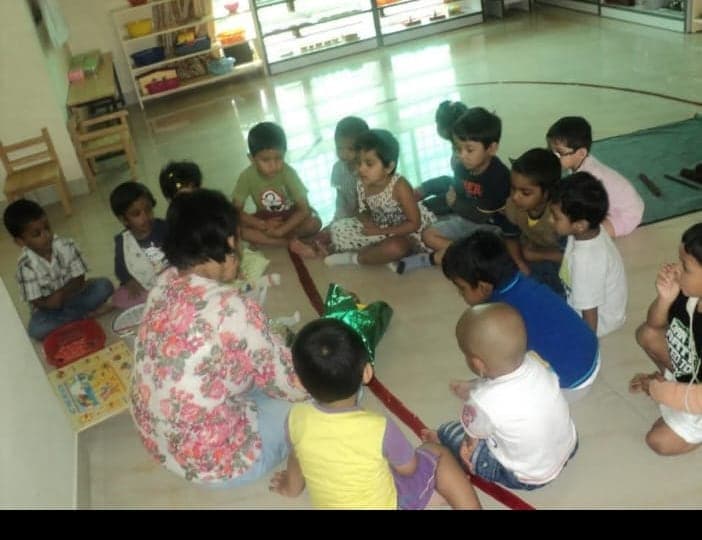
We take admissions for ages 2–3, and children then stay with us in a mixed-age group through to six.
Why this window matters
Between roughly eighteen months and three years, children pass through what Montessori called a sensitive period for order. They notice when a shoe is in the wrong place. They want the same cup, the same seat, the same bedtime sequence. Many parents read this as fussiness.
It isn't. It is a child building a mental map of how the world is organised, and it is the ideal moment to place them in an environment where everything has a logical, consistent home.
Two other things are happening at the same time:
- Language is exploding. Vocabulary can grow faster in these months than at any later point in life.
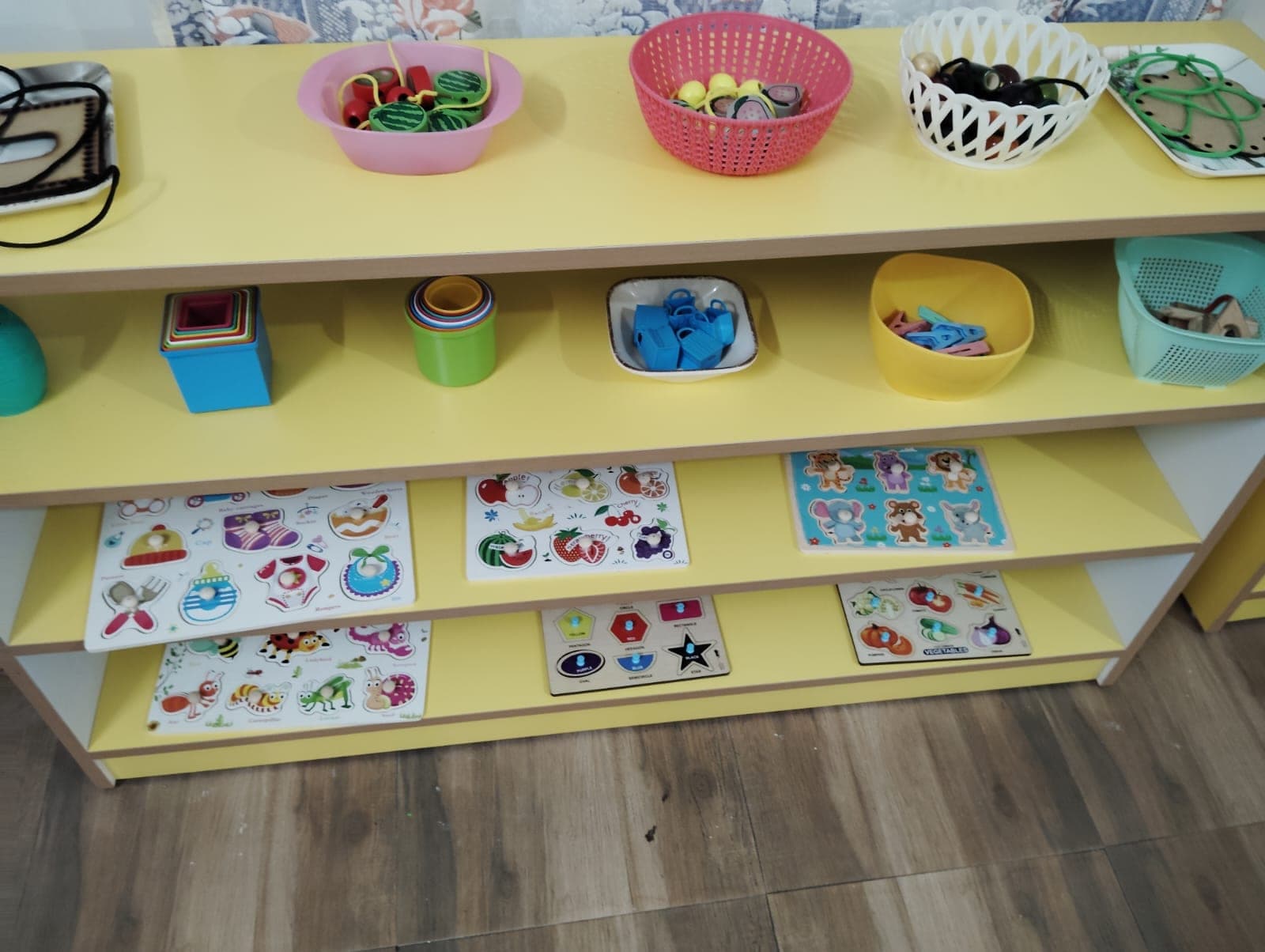
- The hand is being trained. Small, precise movements (pouring, pinching, threading) are deeply satisfying to a two-year-old in a way they are not to a five-year-old.
Put a child into a prepared environment during this window and the materials meet them exactly where they are.
Signs your child is ready
You do not need all of these. Three or four is plenty:
- Shows interest in other children, even if they still play alongside rather than with them
- Wants to do things independently: "me do it"
- Can be away from you for a couple of hours with a familiar adult
- Is starting to follow simple, one-step instructions
- Imitates household work: sweeping, wiping, carrying things
Notably absent from that list: reading, counting, knowing colours, or being fully toilet trained. None of those are prerequisites. We work on toilet training together with families, patiently.
What if my child is older than three?
Then they join a class that already has a rhythm, and that turns out to be an advantage. Older children entering a mixed-age group learn the routines from the children themselves, not from an adult issuing instructions. It is usually faster and far less stressful.
A four-year-old starting Montessori has not missed anything irreversible. They will simply begin where they are.
The question is never whether a child is behind. It is what this particular child is ready for today.
What about starting earlier than two?
We generally find that before about two, most children are still doing their most important work at home, with you. There is no advantage in an early start for its own sake, and a child who is not yet ready to separate will spend their energy on missing you rather than on the environment.
If you are unsure, come and watch a morning. Ten minutes of observing usually answers the question better than any checklist.
Settling in takes longer than you expect
However ready a child is, plan for a gradual start. Short days first, then longer. Some children walk in on day one and never look back. Others cry at the door for three weeks and are perfectly happy four minutes later. That, we promise, is far more common than parents realise.
What matters is that the transition is planned rather than rushed.
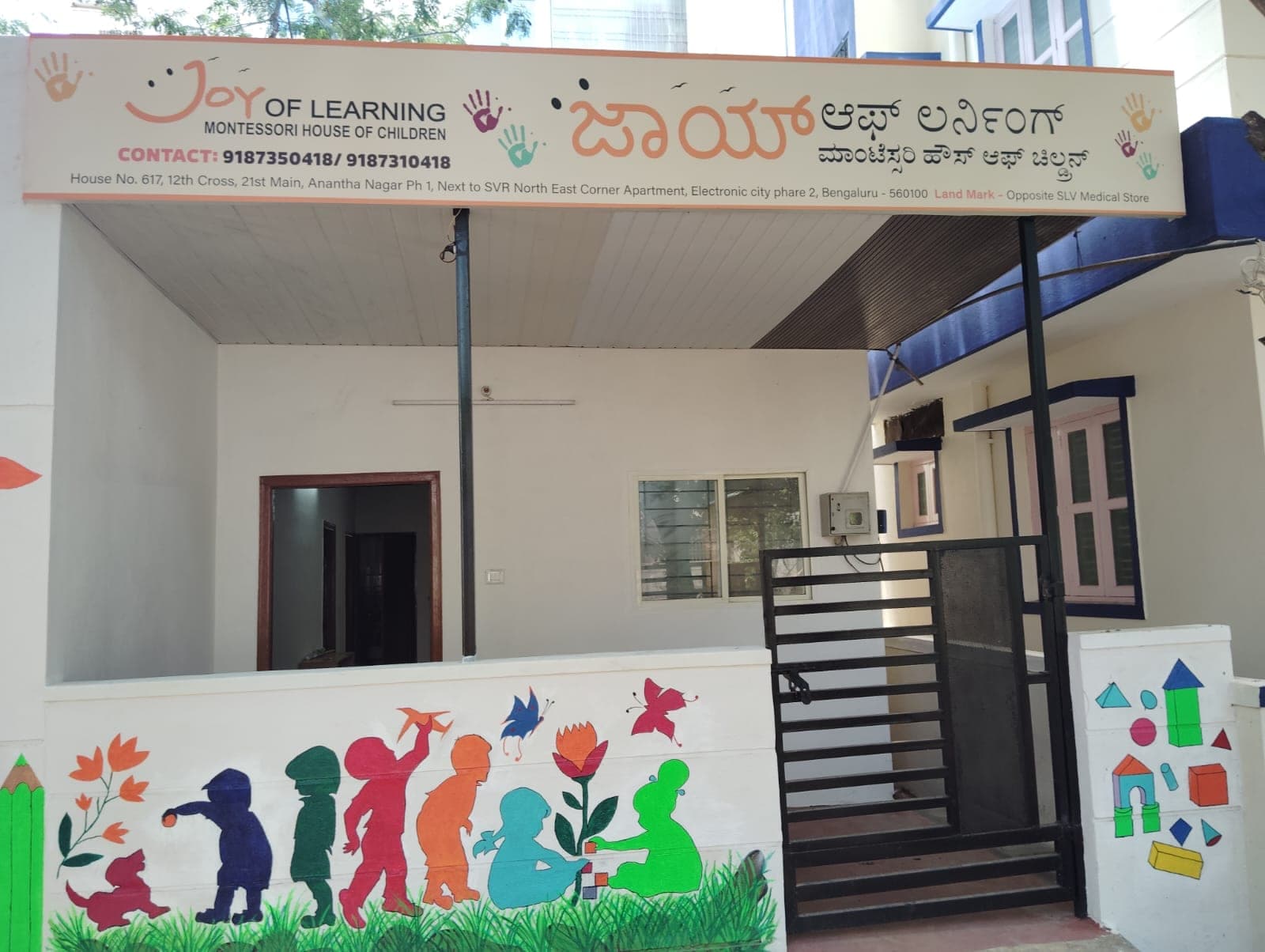
We admit children aged 2–3 into our mixed-age environment (2–6) in Anantha Nagar, Electronic City. If you would like to talk through whether the timing is right for your child, get in touch. We are happy to say "not yet" if that is the honest answer.